
Stop Building Tech for People. Start Building It With Them.
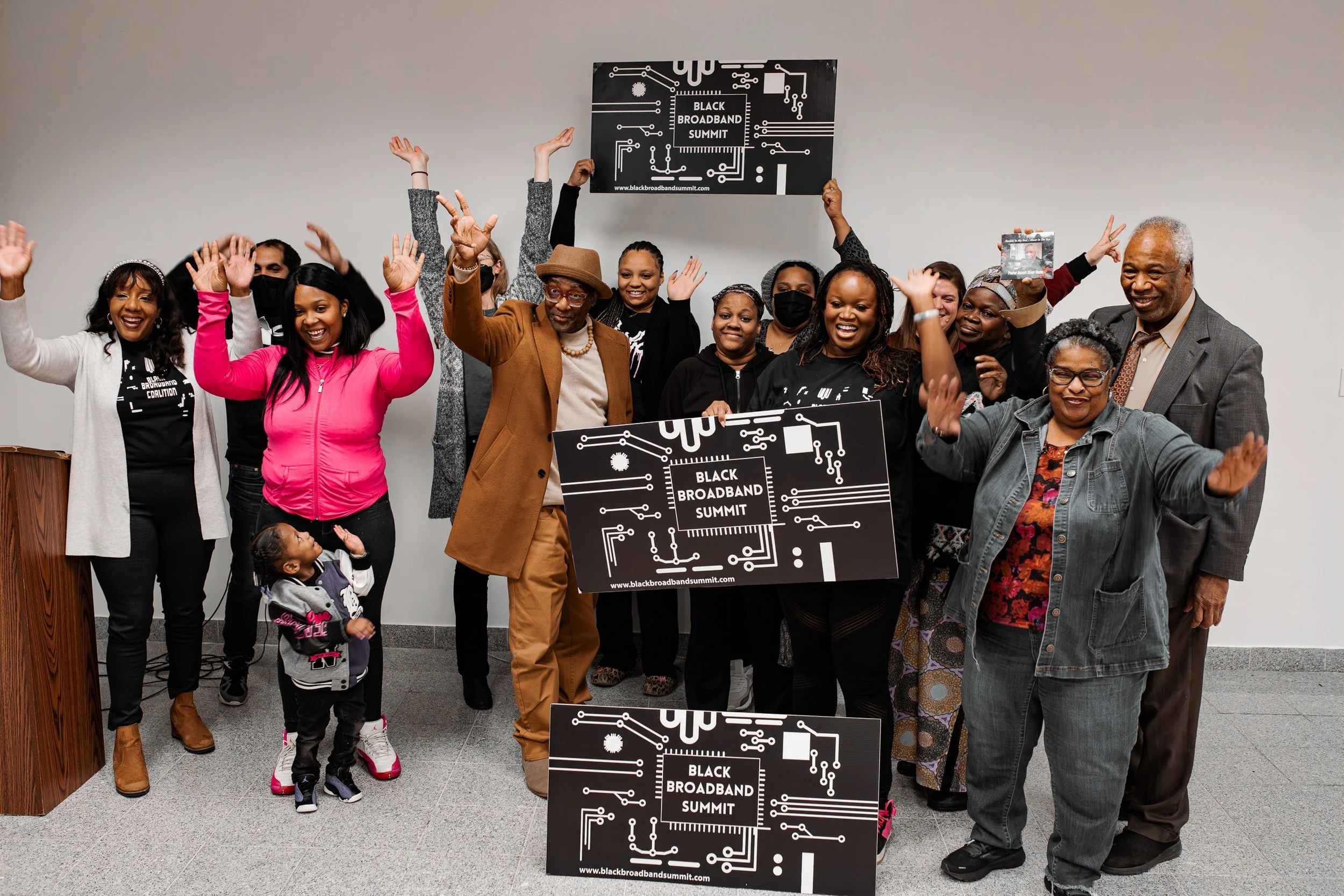
Ini & Community members of the Twin Cities Cooperative celebrating at the Black Broadband Summit.
When a community is struggling with a problem, the first question should be simple:
Did anybody ask the community what it needs? Did they say they needed that technology?
Communities are actually experts at what their problems are, and what those solutions might be…
The Twin Cities Broadband Cooperative came out of that need.
Twin Cities Broadband Cooperative Logo.
We were working with families who were spending hours, days and sometimes weeks dealing with internet issues that their providers couldn’t fix. Those families were trying to get their services repaired, bills corrected and accounts turned back on.
Eventually, they started asking us “Are there any other options?”
That question became the Broadband Cooperative.
The idea was not simply to give the people another option to buy the internet. Community members would be owners. They would have a stake in something that affected their lives.
That distinction matters to me.
Having access to technology is not the same as having ownership of it.
Project Nandi brought that lesson home, too.

Community member holding Project Nandi signs advocating for internet access for kids.
At first, the answer seemed simple. Kids needed laptops so they could stay connected to school.
Then, the home visits started.
One student was a mother sleeping on a couch with her three-month-old baby.
She needed a laptop to get online.
But most importantly, she needed a stable place to live, food, diapers, formula, and a social worker.
A laptop was not going to fix all those needs.
Community care and a laptop might.
That experience made me much more skeptical of technology solutions that arrive before anyone has really understood the problem.
Before bringing technology into a community, it is worth asking what people have already tried. What is actually keeping them from doing what they need to do? What are they asking for?
And if technology is part of the answer, who controls it?
That question is especially important when you look at the history of Black innovation. Too often, intellectual property, ideas, and methods have been separated from the communities where they originated.
The Broadband Cooperative was meant to be different.
The idea was to build something that could contribute to community development, community wealth, and community power without being something that could simply be taken over or controlled by an outsider company.
That is where technology becomes part of community development.
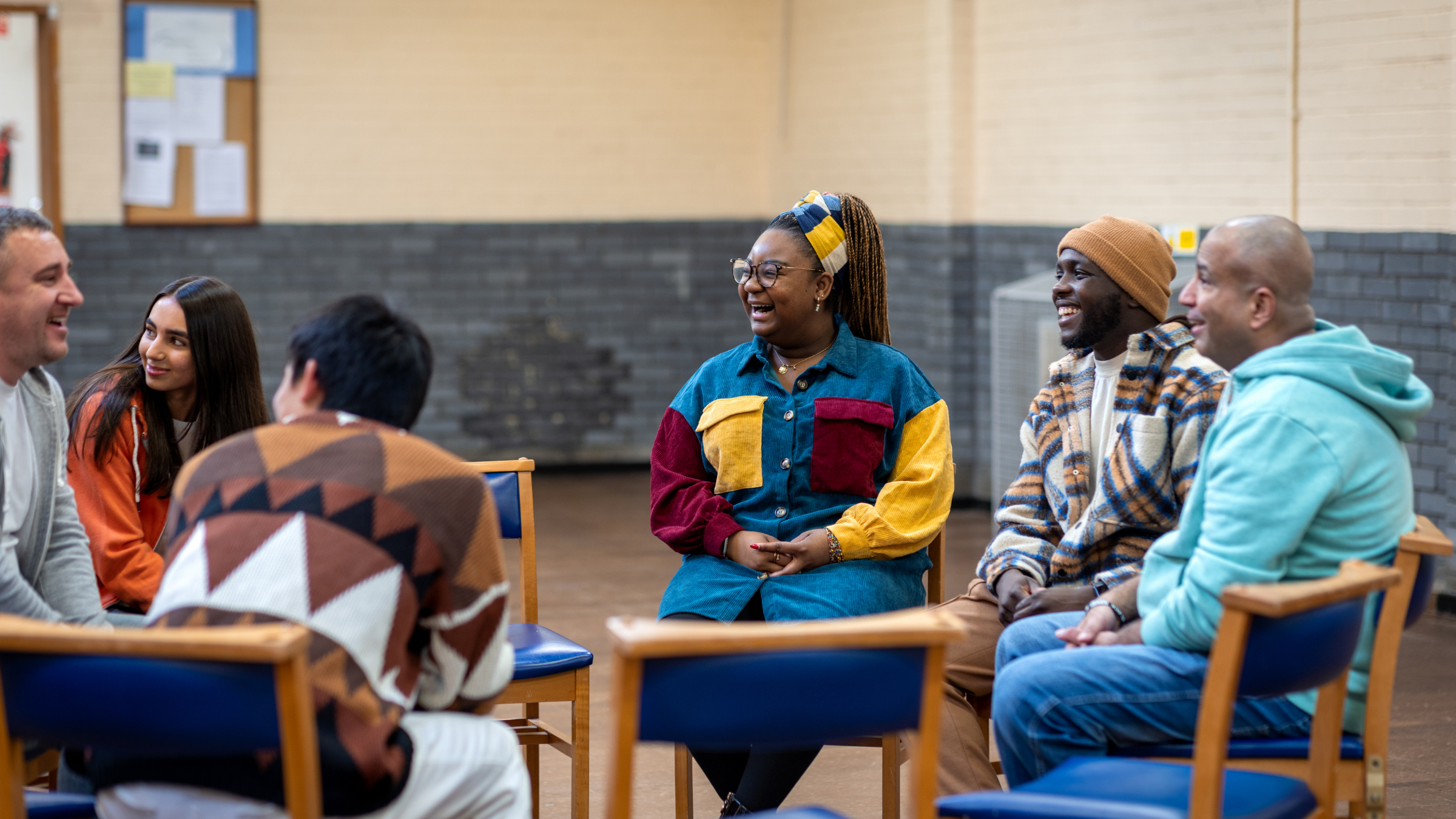
Community members gathered together to talk about needs and technology.
The technology itself is only part of the story.
What matters is what people can actually do with it.
Can someone work?
Can a small business reach its customers?
Can a family access healthcare?
Can a child keep learning?
Can people communicate when something goes wrong?
Can an organization learn enough about its own systems to manage them without having to call someone else every time something breaks down?
Those are the questions that matter.
Technology can solve problems. But it can create new problems, too.
It can create dependence. It can create fear. It can put decisions that affect people’s lives in the hands of people who do not live their lives.
So the question is not, “What technology can we bring into this community?”
Start with what the community is already telling you.
Then, figure out if technology is part of the solution.